A bridal lehenga is usually the single most considered purchase of a wedding wardrobe, and it is rarely a decision made in one afternoon. Between silhouette, fabric, weight and fittings, there is a lot to weigh up. Here is how we walk our brides through it at Silk Threads.
Start with the silhouette, not the colour
Most brides begin with a colour in mind and work backwards. We suggest the opposite. The silhouette determines how the lehenga moves, how long you can comfortably wear it, and how it photographs from every angle.
- A-line flatters almost every body type and is the safest choice if you are unsure. It skims rather than clings.
- Circular or flared gives the dramatic twirl most brides picture, but carries the most fabric and therefore the most weight.
- Mermaid or fishtail is striking and modern, though it restricts movement. Consider it for a reception rather than a long ceremony.
- Panelled sits between A-line and flared, and handles heavy embroidery well because the seams carry the weight.
Fabric decides the weight
Raw silk and velvet hold structure beautifully and photograph richly, but they are heavy, particularly in a warm venue. Georgette and organza drape softly and move well, which suits an outdoor or summer wedding. Tissue and net sit in between.
Ask one practical question before you commit: how many hours will you be in this outfit? A ceremony that runs six hours changes the answer considerably.
Colour beyond red
Red and maroon remain the classics for good reason, but the last few seasons have opened up considerably. Ivory and gold, sage, powder blue, dusty rose and deep emerald all photograph well and read as contemporary without abandoning tradition. Our designer lehengas cover the full range.
One caution: consider your venue lighting. Pastels can wash out under strong daylight, while very deep jewel tones can lose their embroidery detail in dim indoor lighting.
Embroidery and how much is enough
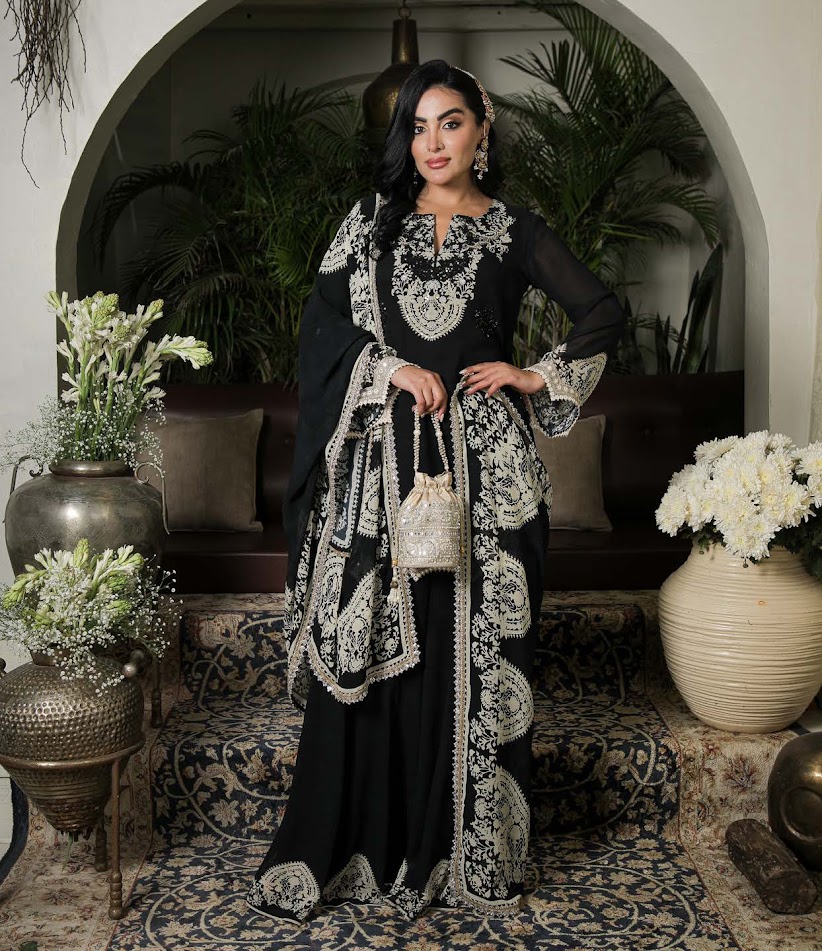
Zardozi, gota patti, sequin and thread work each behave differently. Heavily worked embroidered lehengas carry presence but add significant weight, most of it at the hem. If you want impact without the load, look for concentrated work on the blouse and border rather than all over the skirt.
Give yourself a timeline
Custom bridal work needs time. We recommend beginning eight to twelve weeks before the date, which allows for a first fitting, alterations and a final fitting without pressure. If your date is closer than that, tell us at the first conversation and we will be straight with you about what is achievable.
Where to begin
Browse our bridal lehengas to get a feel for silhouettes, then come into the Carrollton studio to see the fabrics in person. Photographs cannot convey the weight of a raw silk or the shift of an organza.
If you are building a full wedding wardrobe rather than a single outfit, our bridal trousseau edit is a better starting point. And when you are ready to talk specifics, get in touch.